Post
The Timeless Appeal of Watches: More Than Just Timekeeping-2026
Jun
Watches as Investment Assets

In recent years, watches have increasingly been viewed as investment assets. Certain luxury timepieces appreciate significantly in value over time, making them attractive to collectors and investors alike.
Limited-edition models are particularly desirable because of their rarity. When supply is low and demand remains high, prices can rise dramatically in the secondary market.
Many collectors carefully research market trends before purchasing expensive watches. They consider factors such as brand reputation, production numbers, historical significance, and overall condition.
Vintage watches often command especially high prices. A well-preserved timepiece with original components can be worth many times its original retail price.
However, investing in watches also involves risks. Market values can fluctuate, and not every model will appreciate in price.
Therefore, experts generally recommend purchasing watches that owners genuinely enjoy wearing. This approach ensures satisfaction regardless of future market performance.
Famous Watch Brands Around the World
Numerous watch brands have established strong reputations through decades or even centuries of innovation and craftsmanship.
Swiss brands are widely recognized for producing some of the finest watches in the world. Their dedication to quality has earned them global prestige.
Japanese manufacturers have also gained tremendous popularity. They are known for combining reliability, affordability, and advanced technology.
German watchmakers emphasize precision engineering and minimalist design. Their products often feature exceptional finishing and technical sophistication.
In recent years, many emerging brands have entered the market. These companies frequently offer high-quality timepieces at more accessible price points.
Consumers today enjoy an unprecedented variety of options. Whether seeking luxury, functionality, or affordability, there is a suitable watch for every individual.
The Emotional Value of Watches
Beyond their practical purpose, watches often carry deep emotional significance. Many people associate specific watches with important moments in their lives.
For example, a watch may commemorate a graduation, a wedding, or a career achievement. Such timepieces become cherished reminders of meaningful experiences.
Family heirloom watches are especially valuable from an emotional perspective. They connect different generations and preserve family history.
Receiving a watch as a gift can also strengthen personal relationships. The act of giving a watch often symbolizes appreciation, respect, or love.
Because of these emotional connections, people frequently keep watches for many years. Even when a watch is no longer fashionable, its sentimental value remains priceless.
Environmental Sustainability in Watchmaking
Sustainability has become an important topic within the watch industry. Consumers are increasingly concerned about environmental responsibility.
Many manufacturers now use recycled materials in their products. Stainless steel, plastics, and packaging materials are often sourced sustainably.
Some companies have also adopted environmentally friendly manufacturing processes. These initiatives help reduce energy consumption and minimize waste.
Mechanical watches themselves can be considered sustainable products. Unlike many electronic devices, they can function for decades with proper maintenance.
Furthermore, repairing and servicing watches instead of replacing them supports a more sustainable consumption model. This philosophy aligns with growing global environmental awareness.
As sustainability continues to influence consumer behavior, watch brands are expected to further improve their environmental practices.
The Role of Watches in Professional Life
Watches continue to play an important role in many professional environments. Certain occupations require precise time management throughout the workday.
Pilots, doctors, engineers, and military personnel often depend on reliable watches during critical situations. Accuracy can directly affect performance and safety.
In business settings, wearing a well-chosen watch can enhance professional appearance. It may communicate punctuality, responsibility, and attention to detail.
Although smartphones provide similar functions, many professionals still prefer traditional wristwatches because they are more discreet and convenient.
A quality watch can also leave a positive impression during interviews, meetings, and networking events. For this reason, watches remain popular among working professionals worldwide.
The Timeless Appeal of Watches: More Than Just Timekeeping
In today’s digital world, many people rely on smartphones to check the time. However, watches continue to hold a special place in our lives. They are no longer just tools for telling time; they have become symbols of style, personality, and craftsmanship.
From classic mechanical watches to modern smartwatches, the watch industry has evolved significantly over the years. Despite technological advancements, traditional watches remain highly valued by collectors and enthusiasts around the globe.
The History of Watches
The history of watches dates back several centuries. Early portable timepieces first appeared in the 16th century, although they were quite large and inaccurate compared to today’s standards.
As technology improved, watchmakers developed smaller and more precise designs. By the 20th century, wristwatches had become extremely popular, especially during World War I when soldiers needed convenient access to time.
Swiss manufacturers played a major role in shaping the watch industry. Their commitment to quality and precision established Switzerland as the world’s leading watchmaking nation.
Today, vintage watches from famous Swiss brands are highly sought after by collectors. Many of these timepieces are considered valuable investments.
Different Types of Watches
Modern consumers can choose from a wide variety of watches. Each type serves different purposes and appeals to different lifestyles.
Mechanical Watches
Mechanical watches operate through a complex system of gears and springs. They do not require batteries because they are powered either manually or automatically through wrist movement.
Many enthusiasts admire mechanical watches for their craftsmanship. The intricate engineering inside these watches demonstrates remarkable human ingenuity.
Luxury mechanical watches often become family heirlooms. Owners frequently pass them down from one generation to the next.
Quartz Watches
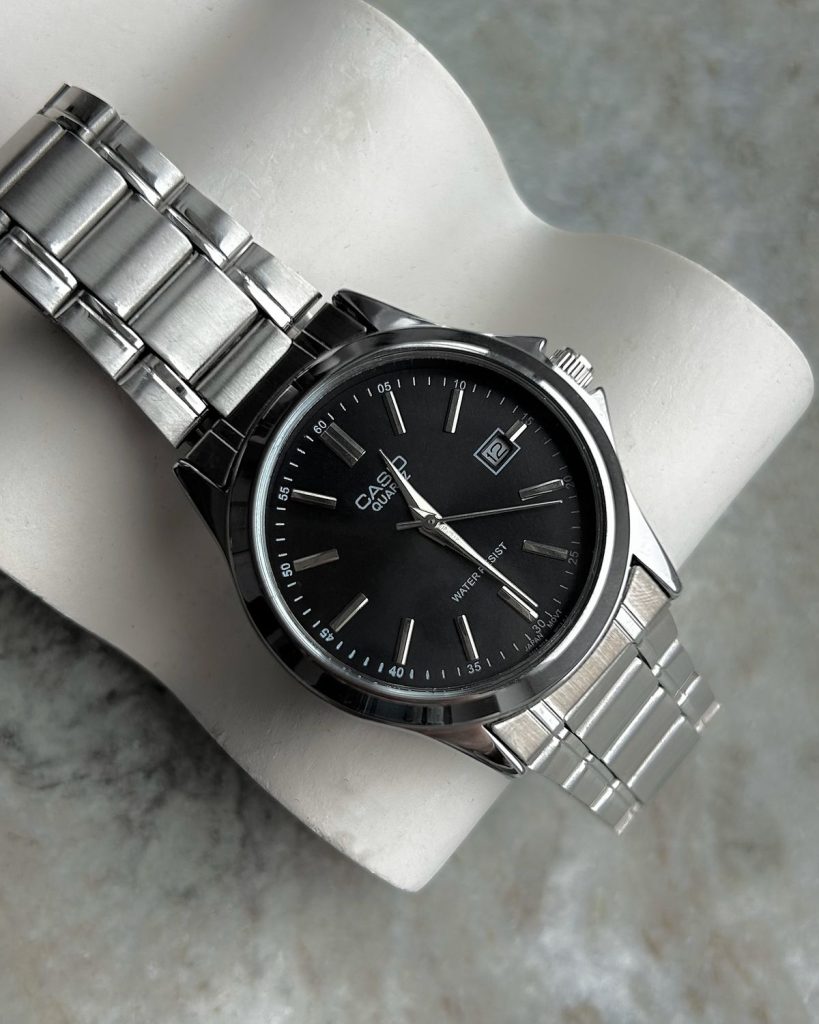
Quartz watches became popular in the 1970s. They use a battery and a quartz crystal to maintain highly accurate timekeeping.
Compared to mechanical watches, quartz models are generally more affordable and require less maintenance. They are ideal for everyday use.
Because of their reliability, quartz watches dominate a large portion of the global watch market. Millions of people wear them daily.
Smartwatches
Smartwatches represent the latest evolution in wearable technology. They offer features beyond timekeeping, including fitness tracking, notifications, and health monitoring.
Many professionals appreciate smartwatches because they improve productivity. Users can receive calls, messages, and reminders directly on their wrists.
As technology continues to advance, smartwatches are becoming increasingly sophisticated. Some models can even monitor heart rate and sleep quality.
Why People Still Wear Watches
Despite the widespread use of smartphones, watches remain incredibly popular. One major reason is convenience.
Checking a watch is often quicker and more professional than pulling out a phone during meetings or social events. A simple glance at the wrist can provide the information needed instantly.
Watches also serve as fashion accessories. Just as people choose clothing to express themselves, they select watches that reflect their tastes and lifestyles.
Additionally, many individuals view watches as status symbols. Luxury timepieces often represent success, achievement, and personal milestones.
Watches as Fashion Statements
Fashion has become one of the strongest driving forces behind watch sales. A carefully selected watch can significantly enhance a person’s appearance.
Formal watches with leather straps are commonly worn during business meetings and special occasions. They project elegance and sophistication.
Sports watches, on the other hand, emphasize durability and functionality. These models are particularly popular among athletes and outdoor enthusiasts.
Minimalist designs have also gained popularity in recent years. Their simple appearance appeals to individuals who prefer understated elegance.
The Craftsmanship Behind Luxury Watches
Luxury watchmaking is considered an art form. Creating a high-end mechanical watch may require hundreds of individual components assembled by skilled craftsmen.
Some prestigious manufacturers spend months or even years producing a single complicated timepiece. Every component must be precisely engineered and meticulously finished.
Handcrafted details such as engraved movements, polished surfaces, and intricate dials contribute to the uniqueness of luxury watches.
Because of the expertise involved, premium watches often command exceptionally high prices. Certain limited-edition models can sell for millions of dollars.
How to Choose the Right Watch
Selecting the perfect watch depends on several factors. Buyers should first determine their primary purpose for wearing the watch.
For professional environments, classic dress watches are usually the best option. Their elegant appearance complements formal attire.
Individuals with active lifestyles may prefer sports watches or smartwatches. These models offer durability and practical features for everyday activities.
Budget is another important consideration. Fortunately, excellent watches are available across a wide range of price categories.
Consumers should also pay attention to case size, strap material, water resistance, and brand reputation before making a purchase.
Caring for Your Watch
Proper maintenance can significantly extend a watch’s lifespan. Regular care ensures both accuracy and aesthetic appeal.
Mechanical watches should be serviced periodically by qualified professionals. This helps maintain optimal performance and prevents internal wear.
Owners should also protect their watches from extreme temperatures, strong magnetic fields, and severe impacts.
Cleaning the watch regularly using a soft cloth can preserve its appearance. Proper storage when not in use is equally important.
The Future of Watches
The future of the watch industry appears promising. Traditional craftsmanship and modern technology continue to coexist successfully.
While smartwatches are gaining market share, mechanical and luxury watches remain highly desirable among enthusiasts and collectors.
Manufacturers are increasingly incorporating sustainable materials and innovative technologies into their designs. This trend reflects growing consumer awareness of environmental issues.
Ultimately, watches will likely continue evolving while preserving their timeless appeal. They are far more than simple devices for telling time; they are enduring symbols of human creativity, style, and innovation.
Conclusion
Watches have remained relevant for centuries because they combine functionality, artistry, and personal expression. Whether mechanical, quartz, or smart, every watch tells a unique story.
As technology advances and fashion trends change, watches will undoubtedly continue to occupy an important place in society. Their timeless charm ensures that they will never truly go out of style.
